
Real Estate Animation
Why Animation Matters in the Real Estate Industry?
Why is off-plan selling so hard? Buyers are asked to commit to something they cannot walk through, and static renderings leave too much to the imagination for a purchase this large. Developers need materials that work in investor decks, sales galleries, and digital campaigns at the same time, but photography is impossible for an unbuilt property, and physical scale models are slow to produce, expensive to ship, and impossible to update. Design changes are routine during development, so sales teams end up working with materials that no longer match what is being built. International buyers add another layer of difficulty, because flying prospects to an active construction site is unrealistic, and the first impression has to happen entirely on a screen.
What changes when buyers can actually experience the property? Real estate 3d animation lets them walk a unit, tour a lobby, or fly over an entire community before construction finishes, and the underlying model updates quickly as designs evolve. Developers using real estate video animation see stronger pre-sales momentum, more persuasive investor presentation animation for capital raises, and marketing that performs consistently everywhere, from sales centers to social media to overseas roadshows where a site visit is simply not an option.
OUR SERVICES
Animation Solutions for Real Estate
What does a full real estate animation service include? From still renderings to full aerial flythroughs, these six formats cover every stage of a development's marketing lifecycle.
Why Choose Us
Common Real Estate Animation Projects
Most developer engagements fall into three categories, and because they share underlying models, adding a second project type is far cheaper than starting the first.

Property Tours
Full walkthrough animations for sales galleries, websites, and buyer presentations, giving prospects a realistic sense of the finished space and the lifestyle it offers.

Developments
Master-planned community animations covering multiple buildings, phases, and amenities across an entire site, from phase one launch to full build-out.

Sales
Focused marketing and investor presentation animation built to accelerate pre-sales momentum and support capital raises at every stage of the funding lifecycle.
HOW WE WORK
Our Real Estate
Animation Process
Architectural accuracy and marketing appeal have to coexist in every frame. Our process keeps your architects and your sales team in the same loop from the first storyboard to final delivery.

Discovery
We review architectural drawings, CAD files, and project goals with your development and sales leadership to scope the right approach for your timeline.


Script & Concept

Storyboard
Design
Animation
Review & Delivery
WHY PIXEL STUDIOS
Why Choose Pixel Studios?
Rendering a building is easy. Selling one that does not exist yet is not. Here is why developers choose our custom real estate animation studio.

Industry Experience
A custom real estate animation studio with work across residential, commercial, and mixed-use projects, from single towers to multi-phase communities spanning years of build-out.

Custom Solutions
Every animation starts from your actual architectural plans, never a template, so it represents the property down to specific finishes and amenities.

Fast Turnaround
Timelines built around sales launches and investor deadlines, so marketing materials are ready before the launch date, not after it.
Dedicated Team
One point of contact manages the project from concept through delivery, coordinating directly with your architects, sales team, and marketing agency.
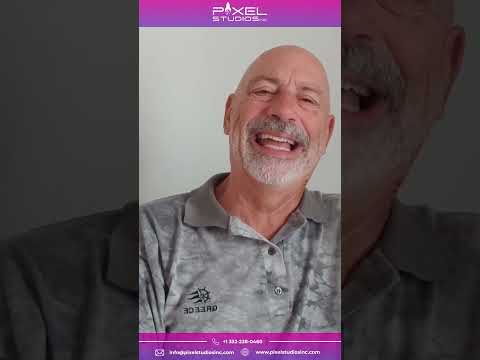
Let’s Hear What Our Clients Are Saying
Our clients include some of the world’s most renowned brands, entrusting us with their animation needs to elevate their messages.

Let's Discuss Your Real Estate Animation Project
If your development is more impressive than your current renderings show, let's fix that. Talk to our team about your architectural plans and sales timeline, and we will build the real estate animation that turns buyers and investors into believers before you have broken ground. Accurate to your actual design, ready for every stage of the campaign, and built to keep working long after the sales gallery closes.
Frequently Asked Questions
What's the Difference Between Real Estate 3D Animation and a 360° Virtual Tour?
3D animation is a directed, cinematic sequence built to highlight a property's best features with camera movement and storytelling. A 360° virtual tour is an interactive, self-guided format buyers navigate on their own, without a directed narrative.